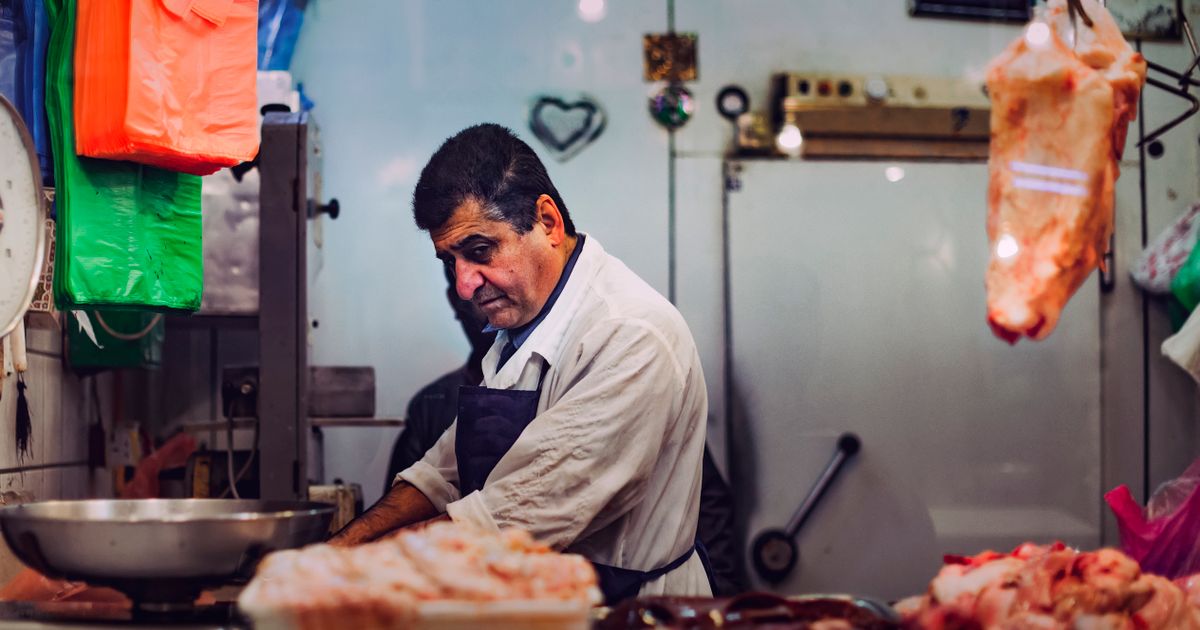
There is a version of "butcher shop" that is just a grocery store with a fancier sign - and a version that is genuinely different. Here is what separates the real thing from a meat counter with a new name, and why it matters for what ends up on your plate.
The Supply Chain Difference
The vast majority of beef sold in US grocery stores comes from four major packing companies. Those companies buy cattle, slaughter them in industrial-scale plants, vacuum-pack the sub-primal cuts (large sections like a whole strip loin or a chuck roll), and ship them in boxes to grocery distribution centers. The grocery store "butcher" opens the box, portions the meat, and puts it in the case. There is no craft involved - it is logistics.
A real butcher shop buys at the primal or whole-animal level - whole beef sides, whole hogs, whole lambs - and breaks them down in house. Some source directly from farms. The butcher is making decisions about how to portion the animal, how to trim, how to maximize value for specific uses.
What This Means Practically
Custom cuts: An in-house butcher can cut you anything you ask for. A 2-inch thick tomahawk ribeye, a butterflied leg of lamb, a custom grind with specific ratios - all possible at a real shop. A grocery meat counter can only give you what is in the case or at most re-cut something that is already in a vacuum bag.
Sourcing knowledge: A real butcher who sources carefully can tell you the farm, the breed, and how the animal was raised. Grocery store staff generally cannot.
Dry aging: Only possible at shops with dedicated aging coolers and the expertise to manage the process. Not a grocery store offering.
House-made products: Fresh sausage, cured meats, marinated cuts, stocks and sauces - a shop with a real butcher makes things. A meat counter does not.
When the Grocery Store Is Fine
For everyday staples - boneless chicken breast, 80/20 ground beef for weeknight tacos, a pork tenderloin on a Tuesday night - the grocery store is practical and perfectly adequate. Not every meal needs a butcher.
Where the butcher shop earns its premium: special cuts, occasion cooking, anything where the quality of the raw ingredient actually determines the outcome of the dish. A dry-aged ribeye, a custom lamb rack, a pork belly for making your own bacon - these are butcher shop purchases.
Finding a Real One
Search independent butcher shops on Butcher Bud. Walk in and ask: "Do you cut your own meat in-house?" and "Where does your beef come from?" The answers tell you everything about whether you are in the right place.