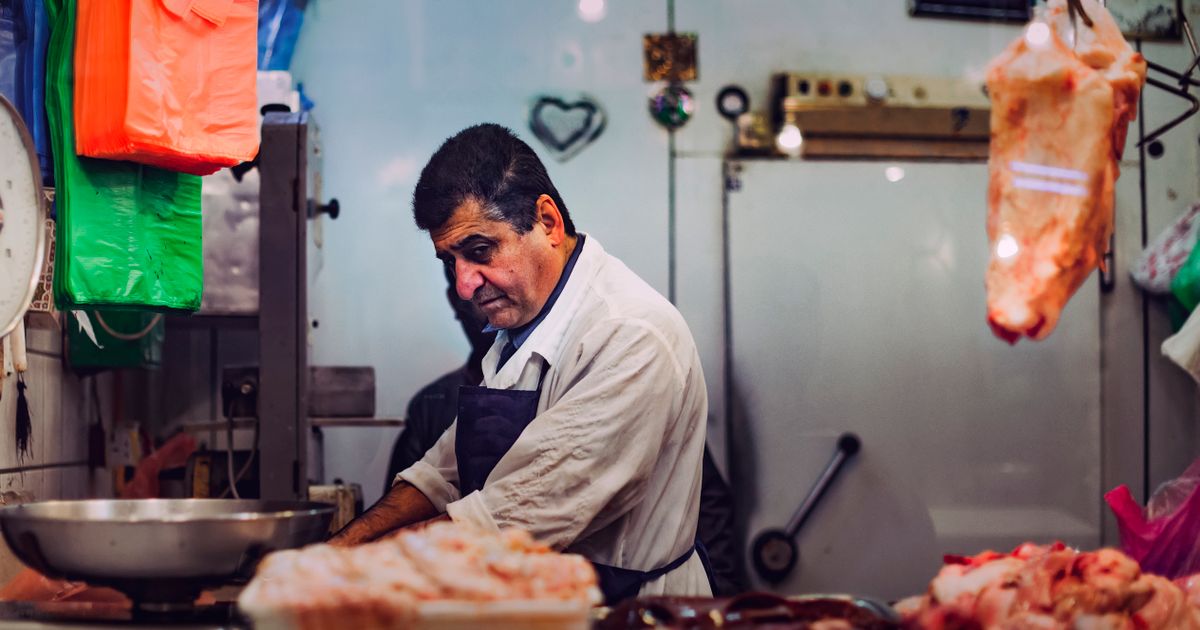
Custom butchering - sometimes called custom exempt processing - is the service where a butcher shop cuts and packages an animal specifically for the owner. Unlike retail meat sold in a store, custom-butchered meat is exempt from USDA retail labeling requirements because it is being processed for the owner's private use. Here is how the process works from your perspective as a buyer.
How to Initiate a Custom Butcher Order
Most custom butchering starts with a phone call to the butcher shop. You need to arrange for an animal to be delivered by the farm or transported by you. The butcher shop receives the live animal (or the carcass after slaughter) and processes it according to your cut sheet.
If you are buying a beef share from a farm, the farm typically arranges delivery to their regular butcher shop. You then communicate your cut sheet preferences directly to the butcher shop.
The Cut Sheet
The cut sheet is your instruction list for the butcher. Every choice you make affects the final product. Common decisions:
- Steak thickness: Most people specify 3/4" to 1.5". Thicker steaks are harder to overcook and have a better crust-to-interior ratio.
- Roast size: 2-3 lb roasts are practical for most families. Larger roasts freeze well and can be sliced after cooking.
- Ground beef: Do you want it in 1 lb packages? 2 lb? Patties? What fat percentage?
- Packaging: Vacuum seal or butcher paper? Vacuum seal is better for long-term storage.
- Bone-in or boneless: Bone-in roasts and ribs have better flavor. Boneless is more convenient for everyday cooking.
- Aging: Dry aging for 14-28 days before cutting significantly improves flavor and tenderness of beef. Ask if the butcher offers it and whether there is an extra charge.
Tips for a Better Cut Sheet
- Think about how you actually cook. If your household uses ground beef more than anything else, ask for more trim to go into the grind.
- Do not be afraid to ask for something specific. "Cut my ribeyes 1.5 inches thick and dry-age the loins for 21 days" is a completely normal request.
- Ask the butcher for their recommendation. A good butcher will have strong opinions about what makes the most of the animal you have.
- Specify packaging weight. Having ground beef in 1 lb packages is more practical than 2 lb if you are cooking for 1-2 people.
Finding a Custom Butcher
Not all butcher shops offer custom butchering for whole animals. Search butcher shops by state on Butcher Bud and call to ask whether they take custom animals. Rural shops are more likely to offer this service than urban ones. Ask about their booking lead time - many custom butchers are backed up several weeks during fall harvest season.