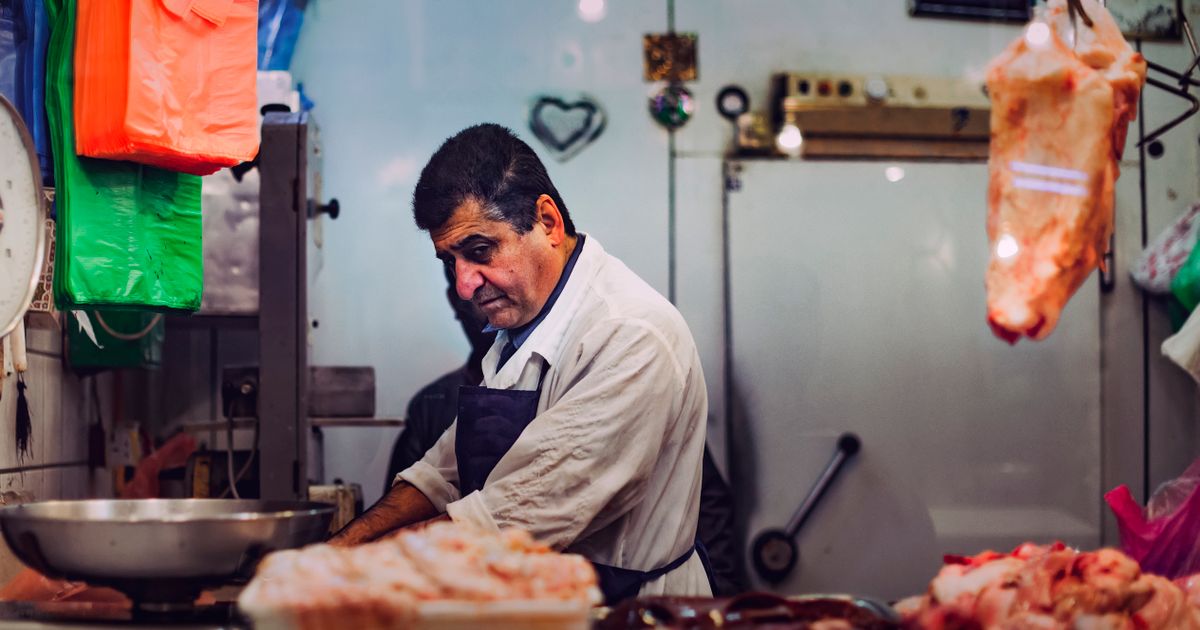
Florida's butcher shop scene reflects the state's extraordinary demographic diversity. The state has large Cuban, Haitian, Jamaican, Colombian, and Brazilian communities that each bring their own meat traditions, plus a growing farm-to-table movement in cities like Orlando, Tampa, and Miami, and the unique cattle ranching heritage of Central Florida. Here is how to navigate it.
South Florida: Latin and Caribbean Traditions
Miami-Dade County has one of the densest concentrations of specialty butcher shops in the country, most serving specific Latin American and Caribbean culinary traditions:
- Cuban carnecerias: Fresh-cut beef, whole roasting pigs (lechon), and marinated meats for Cuban-American cooking traditions. Miami's Cuban community has maintained these shops for generations.
- Colombian and Venezuelan shops: Specialty cuts like ajiaco-ready beef, thin-sliced meats for palomilla, and seasoned meats for parrillada (South American-style BBQ).
- Haitian and Caribbean butchers: Goat, whole fish, and pork cuts prepared in the spice traditions of Haiti, Jamaica, and the broader Caribbean diaspora.
Central Florida Cattle Country
Few people know that Florida has one of the oldest cattle ranching traditions in North America. The Kissimmee Prairie region south of Orlando has been ranching country since the 1600s. The Cracker cattle tradition (Florida's native breed adapted to subtropical conditions) still has active proponents. Ranches in Osceola, Okeechobee, and surrounding counties sell direct-to-consumer beef, and the area has traditional butcher shops and custom processors serving farming communities.
Tampa and the Gulf Coast
Tampa's Cuban community (Ybor City's legacy) and its more recent Latin American growth has created a strong butcher shop scene. The city also has independent artisan shops and a growing farm-to-table community.