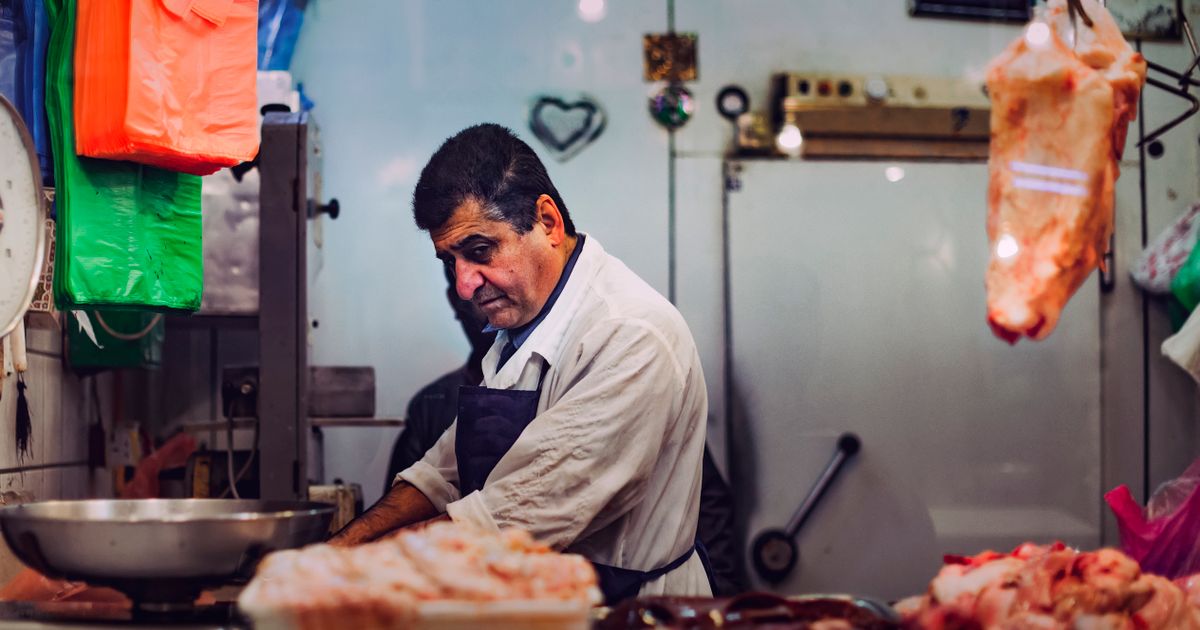
Illinois has a butchery tradition as deep as any state in the country. Chicago was once the "hog butcher of the world" - Upton Sinclair's famous description in The Jungle. That industrial past gave rise to a city where meat culture runs deep, from European immigrant butcher traditions to a new generation of whole-animal artisans. And downstate, the Prairie State has an agricultural heartland where custom processors and meat lockers serve farming communities.
Chicago's Butcher Shop Heritage
Chicago's Polish, Lithuanian, Italian, and German communities built butcher shops that defined their neighborhoods for generations. Many survive, particularly on the Northwest and Southwest Sides. Eastern European pork stores (Polish kielbasa, Lithuanian blood sausage, German bratwurst) are specific to Chicago in ways that reflect its immigrant history.
A newer generation of artisan butchers has also emerged in Chicago's food-forward neighborhoods - Wicker Park, Logan Square, Lincoln Park - emphasizing whole-animal sourcing, in-house charcuterie, and relationships with specific Midwest farms. These shops have been featured nationally and represent a high point in contemporary American butchery.
Chicago's Stockyards Legacy
The Union Stock Yards, which operated from 1865 to 1971 in the Back of the Yards neighborhood, were the largest livestock processing complex in the world. At their peak, the Yards processed tens of millions of animals per year. The neighborhood still has meat industry roots and traditional butcher shops that reflect that heritage.
Downstate Illinois
Rural central and southern Illinois is farming country. Small towns throughout the state have custom butcher shops and locker plants serving agricultural communities - processors who handle beef, pork, and deer for families who have used them for generations. These shops typically offer excellent custom work at straightforward pricing.