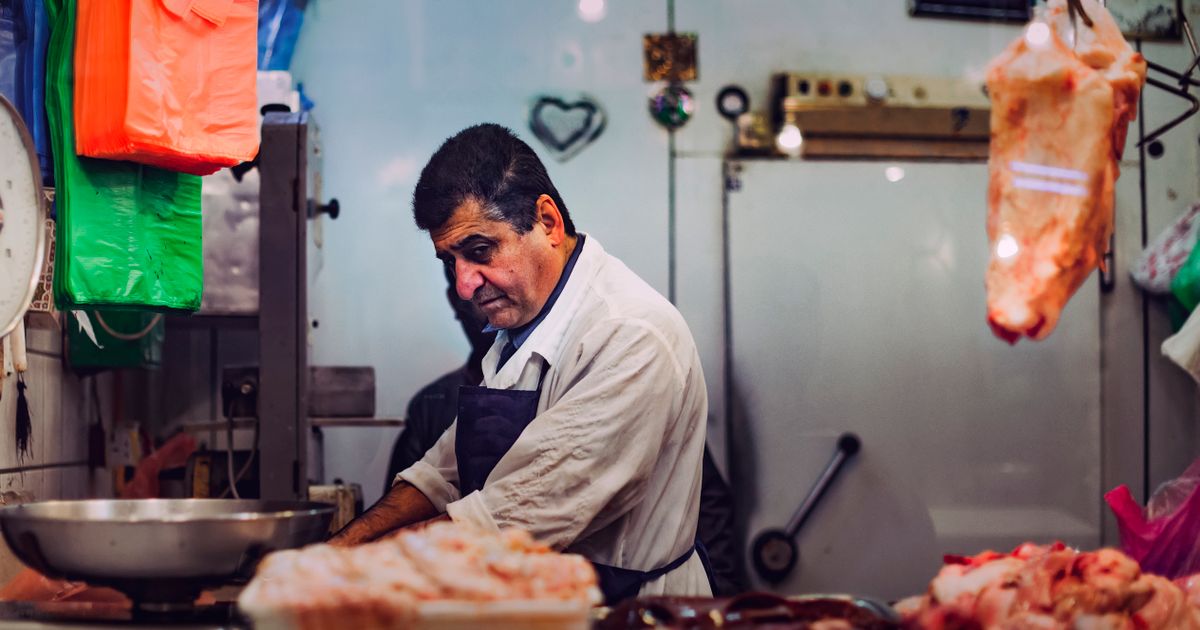
Some of the best butcher shops in America are in towns you have never heard of. A family-run meat locker in rural Iowa, a small-town smokehouse in East Texas, a German-style sausage maker in Wisconsin farm country - these places often produce meat that rivals anything in a major city, at a fraction of the price. The challenge is finding them.
Why Small Town Butcher Shops Can Be Exceptional
Small town butchers serve farming communities. Their customers are people who raise animals and understand meat - people who will not tolerate mediocre product. A butcher who processes a local rancher's own cattle has to deliver quality, or that rancher takes their animals elsewhere. This accountability produces consistently excellent work in many small-town shops.
They are also often priced very differently from urban shops. The economics of a rural community mean a small-town butcher is not paying big-city rent or big-city labor costs. Quality often comes at a genuinely fair price.
How to Find Them
Small town butcher shops are often invisible to online searches. They may have no website, an outdated Facebook page, or only word-of-mouth marketing. Finding them requires a different approach:
- Ask at the local feed store or farm supply. Farmers know every butcher in the county. The person behind the counter at a Tractor Supply or local co-op will tell you exactly who the best processor is within 30 miles.
- Ask at the local diner. A small-town diner that serves local beef knows where to get it. Ask the waitstaff or the cook.
- Drive the farm roads. Small butcher shops often have modest signage on rural roads and highways. A hand-painted sign for "Custom Processing" or "Meats" often points to something worth stopping for.
- Search Butcher Bud by state and city. Our directory includes small-town butcher shops and meat processors across all 50 states, including many that have no other online presence.
What to Expect When You Get There
Small town butcher shops are not always glamorous. The display case may be small, the signage minimal, and the hours irregular. But walk in, introduce yourself, and ask what is good today. The people behind the counter in these shops have often spent decades working with local meat and have knowledge and quality you cannot buy at a grocery store.