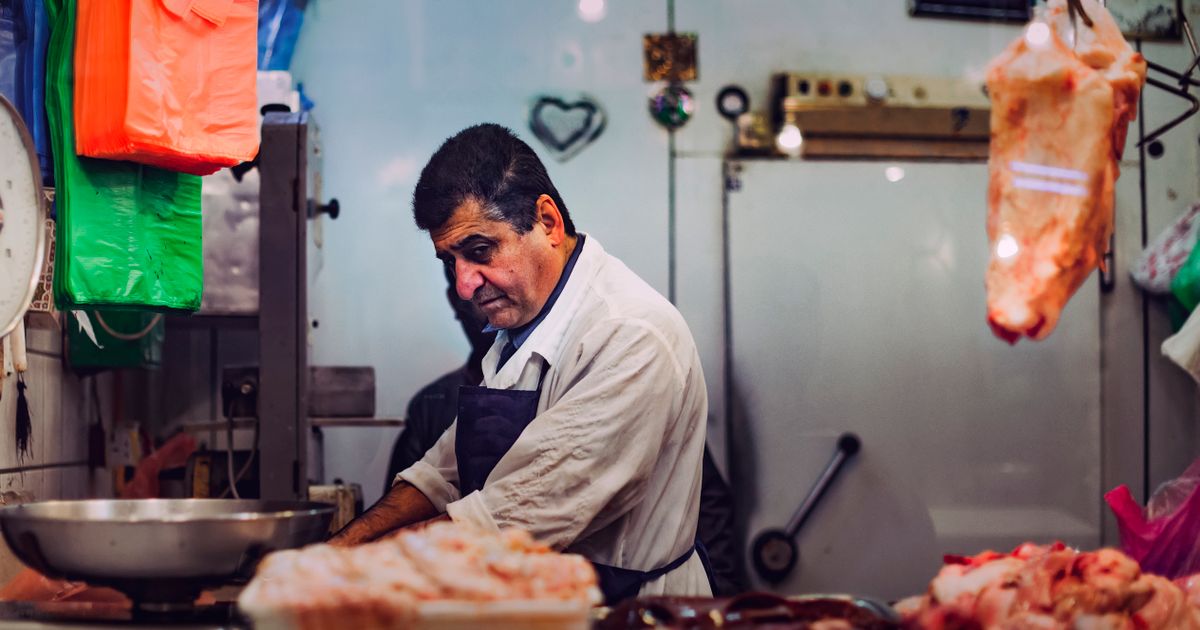
A local butcher is a shop that breaks down whole or half animals in-house and cuts to order, which is very different from a grocery meat counter that only unpacks pre-cut boxes. Finding a real one near you takes two steps: locate the shops, then verify which ones actually butcher.
Step 1: Locate the shops
A plain map search returns grocery counters and pre-pack retailers mixed in with real butchers, and it cannot tell them apart. A category-sorted directory does. Browse by state and city, filter to butcher shops, and you get real, verified shops instead of a pin cloud. That is the difference between "meat near me" and "a butcher who can cut a whole animal for me."
Step 2: Verify a real butcher
Once you have a shortlist, a few questions separate a full-service butcher from a counter:
- Do you cut whole or half animals in-house?
- Where is your meat raised, and can you name the farms?
- Do you sell quarter or half beef shares?
- Do you dry-age, and for how long?
- Can you fill a custom cut sheet?
- Do you special-order (roasts, whole briskets, specialty cuts)?
A shop that answers these confidently is worth driving to. One that cannot is a counter with a nicer sign.
What a great butcher does for you
| Meat counter | Full-service butcher |
|---|---|
| Sells pre-cut, pre-packed cuts | Breaks down whole/half animals in-house |
| Limited, fixed selection | Custom cuts, special orders, dry aging |
| Little sourcing detail | Can name farms and finishing |
| No bulk option | Quarter/half/whole shares |
Why the directory beats a generic search
Search engines and map apps optimize for proximity, not for what a shop actually does. Butcher Bud organizes shops by category (butcher shops, deer and game processing, beef-share farms, mobile slaughter, and more) and by state, so you find the right kind of business the first time. Once you find your shop, our dry-aging guide and beef share guide help you make the most of it.
Start here: Find verified shops, farms, and processors near you on the Butcher Bud directory.
Last verified: July 2026 by the Butcher Bud editorial team. Ranges are typical; confirm details, pricing, and rules with your local farm, butcher, or processor. Regulations vary by state.