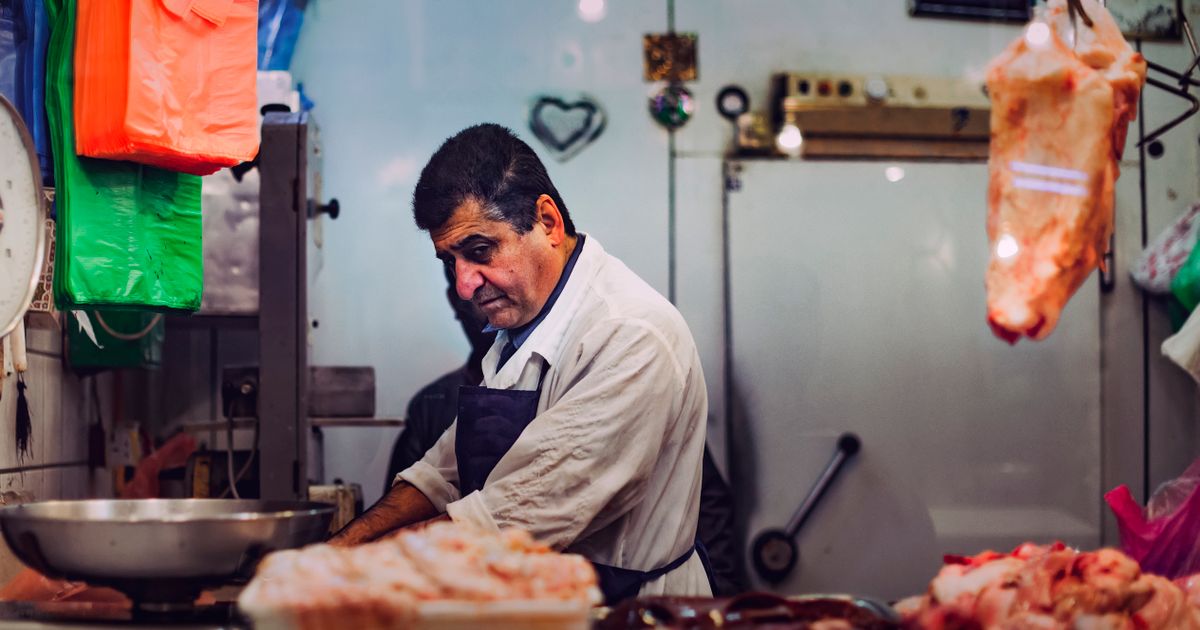
Grass-fed beef has become a buzzword - but not all products marketed as "grass-fed" are what you might assume. Here is how to find legitimately pasture-raised beef in your area, and what to look for when you do.
Grass-Fed vs. Grass-Finished: The Important Difference
Almost all cattle start on grass. The question is how they finish.
- Grass-fed, grass-finished: The animal ate nothing but grass and forage for its entire life. This is what most people mean when they say grass-fed, and it commands a price premium.
- Grass-fed, grain-finished: The animal grazed on pasture but was transitioned to grain in the final weeks or months before slaughter. This is common in conventional production and some farms do not disclose it clearly.
Always ask: "Is this grass-fed AND grass-finished, or grain-finished?" If a farm cannot answer that clearly, press harder or move on.
Where to Find It
Local farms and beef share programs are the most reliable source. A small rancher who raises cattle on pasture and sells direct will typically know exactly how their animals were raised and will tell you honestly. Search beef share farms by state on Butcher Bud - many farms list grass-fed beef shares.
Farm stands and farmers markets are another good source. Talk to the farmer in person. Ask where the animals were raised and who processed them.
Local butcher shops that source from regional farms can sometimes point you toward grass-fed options or carry it themselves.
What to Ask a Farm
- Are your cattle grass-fed AND grass-finished, or grain-finished?
- Are they ever given antibiotics or growth hormones?
- Are they on pasture year-round or moved to confinement in winter?
- What breed are your cattle? (Heritage breeds like Angus x Hereford, Devon, or Lowline often have better fat distribution even on grass)
- How long do you hang the carcasses before processing? (Dry aging improves tenderness, which matters more with grass-finished beef that is naturally leaner)
The Taste Difference
Grass-finished beef has a different flavor than grain-finished beef - more complex, slightly earthier, often described as "beefier." The fat is also different - yellower in color and higher in omega-3 fatty acids and conjugated linoleic acid. It is leaner overall, which means you need to be more careful not to overcook it.
If you are used to grain-finished beef and try grass-finished for the first time, the flavor difference can be noticeable. Most people prefer it once they adjust their cooking approach (lower heat, slightly underdone by conventional standards).