Local beef - beef raised, processed, and sold within your region - is genuinely different from what you buy at a national supermarket chain. The supply chain is shorter, the traceability is real, and the money stays in your community. Here is how to find it regardless of where you live.
The Direct-Farm Route
The most direct path to local beef is buying a share from a rancher or beef farmer in your area. Butcher Bud lists beef share farms in all 50 states - you can search by state to find farms close to you.
When you connect with a farm, ask:
- Where are you located and where is the processing done?
- What breed of cattle do you raise and how do you finish them?
- Do you have availability this season or is there a waitlist?
Popular farms fill up months in advance, especially in spring. Contact early.
Farmers Markets
Many beef producers sell packaged frozen beef at local farmers markets. The advantage: you can talk to the producer directly, buy specific cuts without committing to a half cow, and sample the quality before buying in bulk. Ask the vendor whether they also sell shares if you want a larger quantity.
Local Butcher Shops That Source Regionally
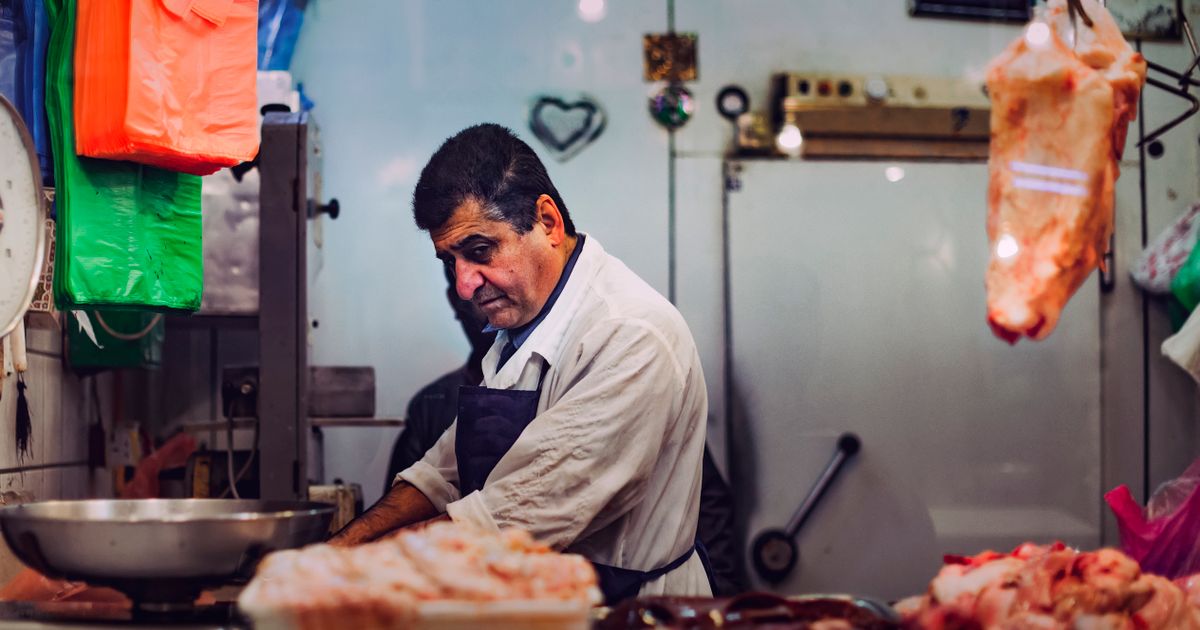
The best independent butcher shops prioritize regional sourcing. Ask any butcher shop: "Where does your beef come from?" A good answer names a specific farm, ranch, or at minimum a regional producer. A vague answer like "a distributor" may mean commodity beef from a national packer.
Search butcher shops by state on Butcher Bud and call the ones near you with that question.
Food Co-ops and Community-Supported Agriculture Programs
Many food co-ops maintain strict local sourcing standards and have established relationships with regional farms. If you have a co-op near you, ask whether they carry locally-raised beef and who the producer is. Meat CSA programs also typically source from within a few hundred miles.
What to Expect Cost-Wise
Local beef typically costs more per pound than commodity supermarket beef. You are paying for shorter supply chains, smaller-scale production, and often better animal welfare and environmental practices. Whether the premium is worth it depends on what you value - many buyers find that the quality difference makes local beef more economical once they factor in the actual eating experience.