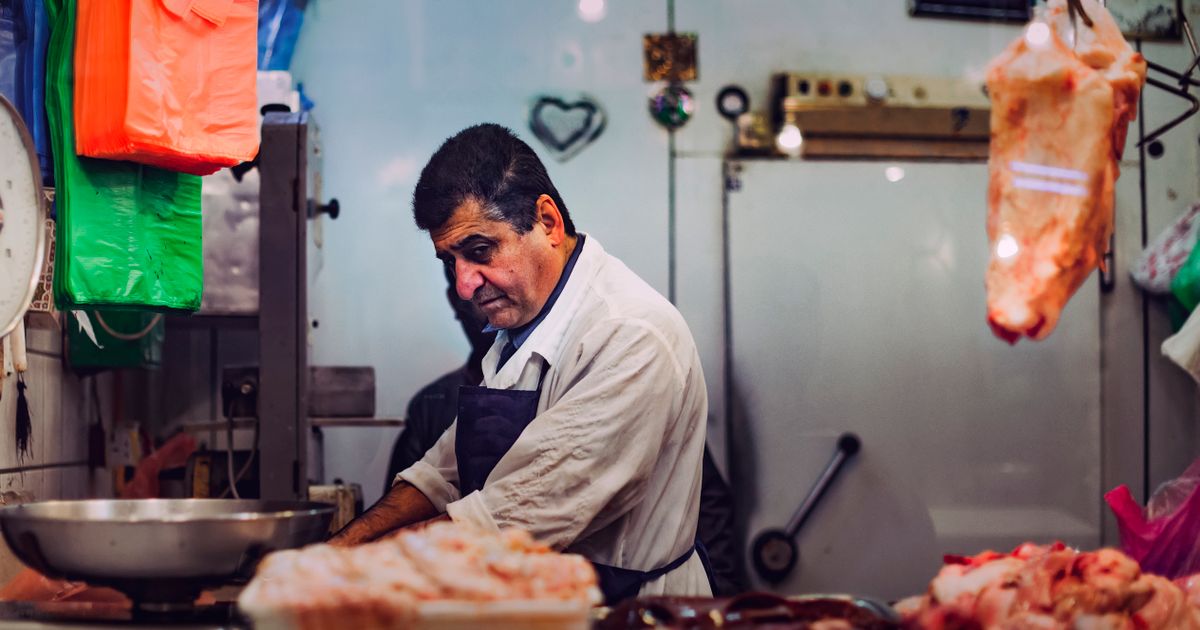
Taking your deer to a professional processor is a smart move if you want clean, professionally butchered and packaged meat without spending hours doing it yourself. Here is a walkthrough of the whole process so you know what to expect.
Before You Drive to the Processor
A few things to do before drop-off:
- Make sure your deer tag is filled out and attached to the animal
- Have the deer field-dressed (gutted) - most processors expect this when you arrive
- Keep the carcass cool - on ice if ambient temps are above 50F
- Call ahead if it is late in the season - popular processors fill up fast in November and December
Drop-Off
When you arrive, the processor will weigh your deer and fill out a ticket with your name and contact info. The deer gets tagged with your number so your meat stays with your animal through processing. You will be asked to fill out a cut sheet or answer questions about how you want the meat processed.
Filling Out Your Cut Sheet
This is important. Common decisions you will make:
- Backstraps - leave whole, or cut into steaks? If whole, they are great for roasting or grilling as a medallion-style cut.
- Tenderloins - usually left whole. Very small but very tender.
- Hams (haunches) - can become roasts, stew meat, or ground burger.
- Shoulder - good for roasts, stew meat, or burger.
- Ground meat - pure venison or mixed with pork or beef fat for better texture when cooking.
- Sausage - bulk breakfast sausage or links? What seasoning?
- Ribs - most people skip these as the meat yield is low, but some processors will do short ribs.
If you are unsure, ask the processor what most hunters request. A good processor will walk you through the options.
Processing Time and Pickup
Turnaround varies from a few days (slow season) to 2-4 weeks during peak firearm season. You will get a call or text when your meat is ready. Bring cash or check to many rural processors - not all take cards. All your cuts will be vacuum-sealed or wrapped in butcher paper and labeled. Plan to have coolers or boxes in your vehicle to transport.
Getting the Most Out of Your Venison
Do not over-trim the fat when specifying your cut sheet. Venison is very lean - some fat (or adding pork fat to the grind) helps with cooking. Ask the processor to add 10-15% pork or beef fat to your ground venison if you plan to make burgers or tacos.