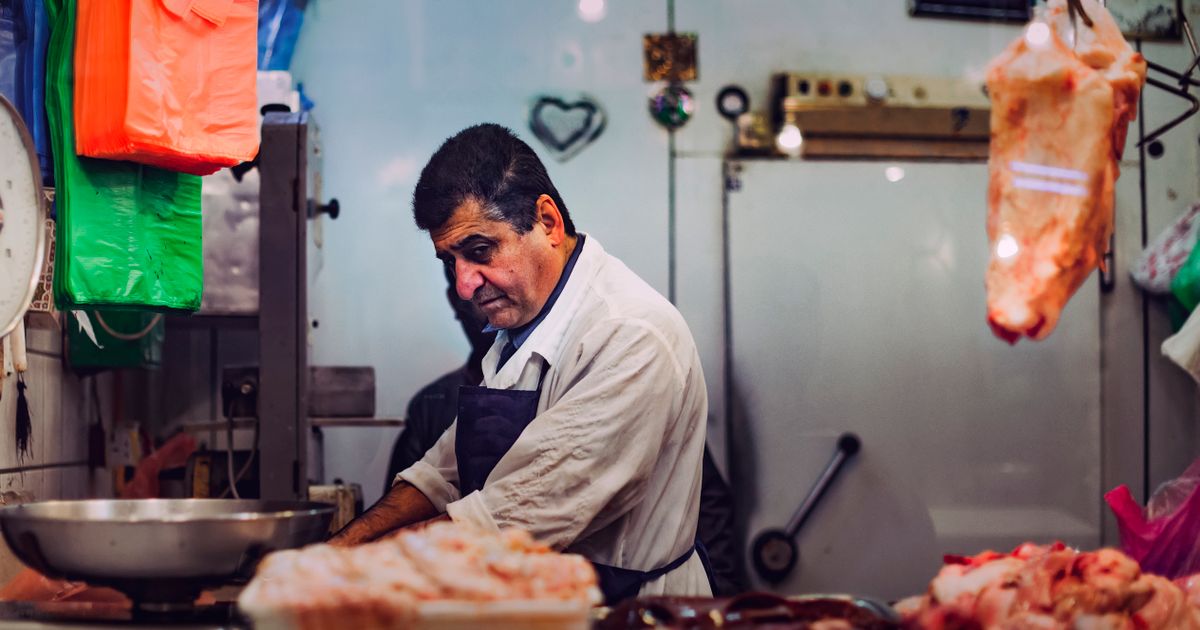
Beef tallow is rendered beef fat - specifically the fat around the kidneys and loins (called suet), cooked down until the pure fat separates from connective tissue and moisture. It was the dominant cooking fat in America until the mid-20th century, when industrially produced vegetable oils became cheap and widespread. Today it is making a significant comeback among home cooks who prioritize flavor, stability, and traditional cooking methods. Here is everything you need to know.
What Tallow Is (and Is Not)
Tallow is rendered beef fat, specifically from kidney and loin fat deposits (leaf fat or suet). It is not drippings from cooking beef - that is a separate product with water and protein mixed in. True tallow is a stable, shelf-stable fat with a high smoke point that stays solid at room temperature.
Lard is the equivalent from pork - rendered pork fat, also excellent for cooking. Tallow is the beef version.
Why It Disappeared - and Why It Is Back
Tallow fell out of mainstream use in the mid-20th century partly due to concerns about saturated fat (since revised in many respects) and largely because industrially produced soybean and corn oil became extremely cheap. McDonald's famously fried their french fries in beef tallow until 1990.
The comeback is driven by several factors: home cooks seeking traditional methods, people on carnivore and ancestral diet protocols, and a broader reassessment of saturated fat's role in diet. Functionally, it is also just an excellent cooking fat - high smoke point, stable at high heat, shelf-stable without refrigeration.
How to Cook with Tallow
- Searing steaks: Tallow's high smoke point makes it excellent for screaming-hot cast iron sears. Better than butter for this application.
- French fries: The original, pre-1990 method. Tallow-fried fries have a flavor and texture that vegetable oil cannot replicate.
- Roasting vegetables: Toss vegetables in tallow before roasting - it coats evenly and tolerates oven temperatures well.
- Pie crust and baked goods: Rendered tallow can replace shortening in pie crusts for a savory application (or even sweet - the flavor is mild).
- Seasoning cast iron: Tallow is one of the best substances for seasoning cast iron pans - it bonds to the iron and creates a durable non-stick layer.
Where to Get Tallow
Your local butcher shop is the best source. Ask for beef suet (the raw kidney fat) and render it yourself, or ask if they carry pre-rendered tallow. Many butcher shops now stock tallow explicitly because demand has grown significantly. Some beef share farms also offer rendered tallow as an add-on when ordering a beef share.
Find a butcher shop near you on Butcher Bud and ask about tallow availability.