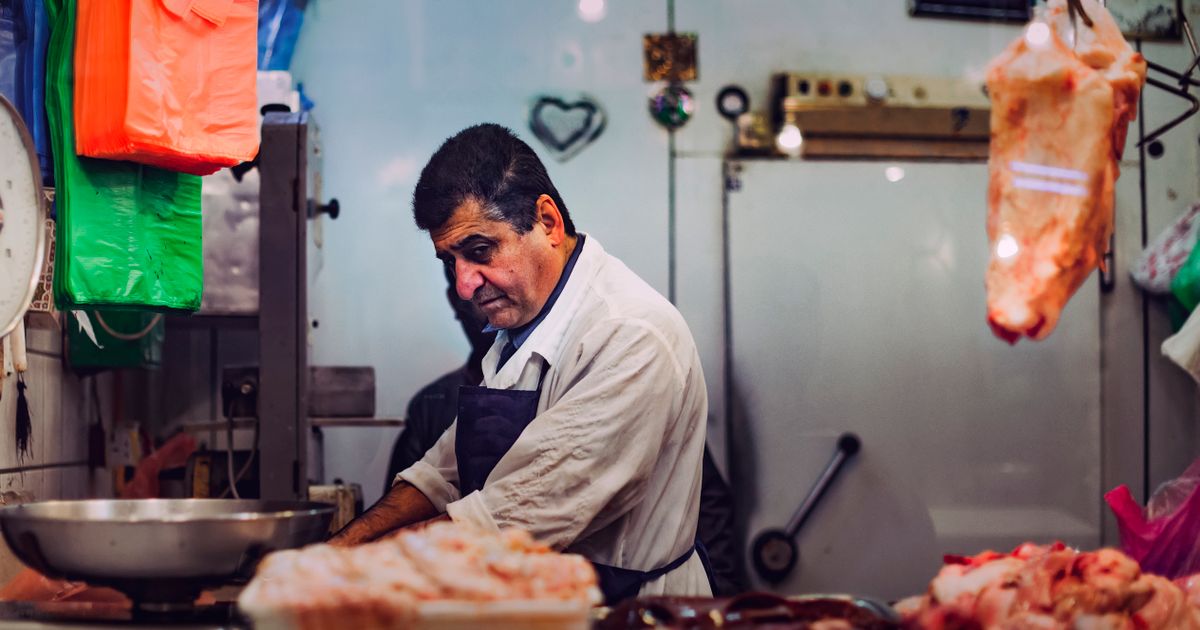
A local butcher is a marketplace for quality and specific cuts, while a grocery store is a marketplace for convenience and single-item pricing, so the cheaper option depends entirely on how you buy. Buy one steak at a time and the grocery store usually wins on price. Buy a beef share in bulk and the farm-direct route wins by roughly 20%.
Where the grocery store is cheaper
For a single package of a common cut on a random Tuesday, national grocery chains buy at a scale no local shop can match. If you only need one pound of ground beef or two chicken breasts, the store is almost always the lower sticker price. Convenience is real value, and there is no shame in it.
Where the butcher and farm win
The savings flip when you buy volume. Per Oklahoma State University Extension, buying beef in quarters, halves, or wholes saves about 20% of retail cost. Against premium grass-fed retail, the gap is wider. You also get whole-animal value: cuts and organ meats a store often does not stock, plus fat and bones for stock and tallow.
| How you buy | Typical price position | Best for |
|---|---|---|
| Grocery, single cut | Lowest sticker on common cuts | Convenience, small households, one meal |
| Butcher, single cut | Similar to slightly above grocery | Quality, custom cutting, specialty cuts |
| Farm-direct beef share | ~20% below retail, more vs premium | Freezer stocking, best per-pound value |
The real numbers on a half cow
Here is what a half actually costs, all in, using the sourced processing fees and typical yields.
| Line item | How it is figured | Amount |
|---|---|---|
| Meat cost | 300 lb hanging x $4.50/lb (example rate) | $1,350 |
| Cut and wrap | 300 lb hanging x $0.70/lb | $210 |
| Share of slaughter fee | Half of ~$110/animal | $55 |
| Total paid | ~$1,615 | |
| Take-home meat | ~68% of 300 lb hanging | ~205 lb |
| True cost per pound | $1,615 / 205 lb | ~$7.88/lb |
That is about $7.88 per pound for a full mix of cuts - ground beef, roasts, and premium steaks alike. At the grocery store, that same mix priced cut by cut (ground around $5 to $6, roasts higher, ribeyes and strips $12 to $18-plus) blends to well above that once you weight it toward the steaks. The bulk buyer pays one modest per-pound price for cuts a store sells across a wide, mostly higher, range.
Who should buy a share, and who should not
Buy a share if you have freezer space, can pay the full amount upfront, and eat enough beef to work through 100 to 250 pounds. Skip it if you have no freezer room, want only premium cuts, or cannot use a whole animal’s worth of ground and roasts. There is no wrong answer, only a right fit.
Related reading
- How to buy a beef share - the step-by-step process.
- What is hanging weight - why your invoice and freezer do not match.
- ButcherBox vs a local butcher - convenience vs choice.
Compare local options: Browse verified butcher shops, processors, and beef-share farms near you on the Butcher Bud directory.
Last verified: July 2026 by the Butcher Bud editorial team. Ranges come from USDA and university extension sources; hanging-weight prices move with the cattle market, so confirm current numbers with your farm and processor.