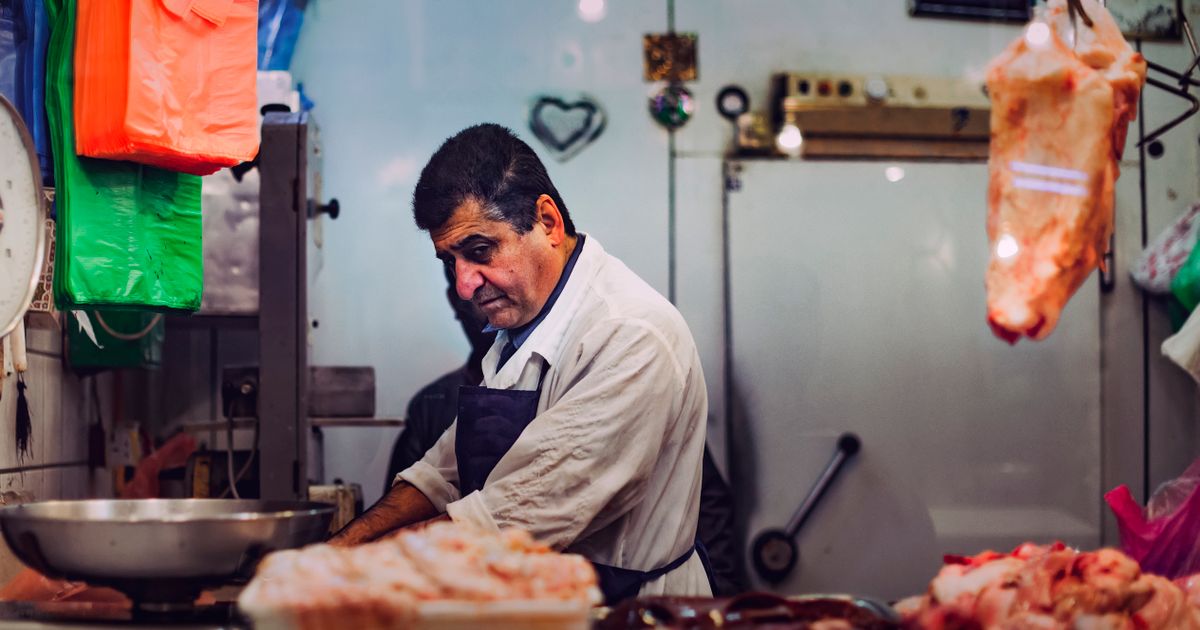
A meat subscription box like ButcherBox optimizes for convenience and doorstep delivery of frozen cuts, while a local butcher optimizes for fresh cutting, local sourcing, custom cuts, and bulk value. Neither is universally better; they solve different problems, and the right pick depends on what you value most.
Side by side
| Attribute | Subscription box | Local butcher |
|---|---|---|
| Convenience | High - ships to your door | You visit the shop |
| Freshness | Arrives frozen | Fresh cut to order |
| Choice of cuts | Curated selection | Full case, custom and specialty cuts |
| Sourcing transparency | Brand-level claims | Can name the farms |
| Bulk value | Limited | Quarter/half/whole shares, best price per pound |
| Best for | Hands-off convenience | Quality, choice, local, and value |
Where each one wins
Choose a subscription box if you want zero effort, a predictable delivery, and you are fine thawing frozen cuts on a schedule. It is a genuine convenience for busy households, and the quality is generally good.
Choose a local butcher if you want to know the farm, get exactly the cuts you cook, order something special (a standing rib roast, a whole brisket, dry-aged steaks), or buy a bulk share for the lowest price per pound. A butcher can also special-order and cut to your spec, which no box can do.
The value angle
If your main goal is cost per pound, neither beats buying direct from a farm. A beef share runs about 20% below retail, landing near $7 to $8 per take-home pound for a full mix of cuts. See our butcher vs grocery store breakdown for the worked numbers.
A simple rule
Use a box for convenience, a butcher for choice and special occasions, and a bulk share for value. Many people do all three across the year, and there is no wrong combination - only what fits your kitchen, freezer, and schedule.
Find a local butcher: Find verified shops, farms, and processors near you on the Butcher Bud directory.
Last verified: July 2026 by the Butcher Bud editorial team. Ranges are typical; confirm details, pricing, and rules with your local farm, butcher, or processor. Regulations vary by state.